BOLIVIAN SINGLE-ORIGIN GREEN PROPOLIS

Bolivian green propolis — from the native “tola” shrub to global industry.

We are a Bolivian beekeeping company that produces, sources and exports green propolis, with origin traceability and scientific validation from local and internationally recognized laboratories.

Baccharis dracunculifolia Artepillin C verified Tarija · Cochabamba · La Paz · Santa Cruz

Welcome

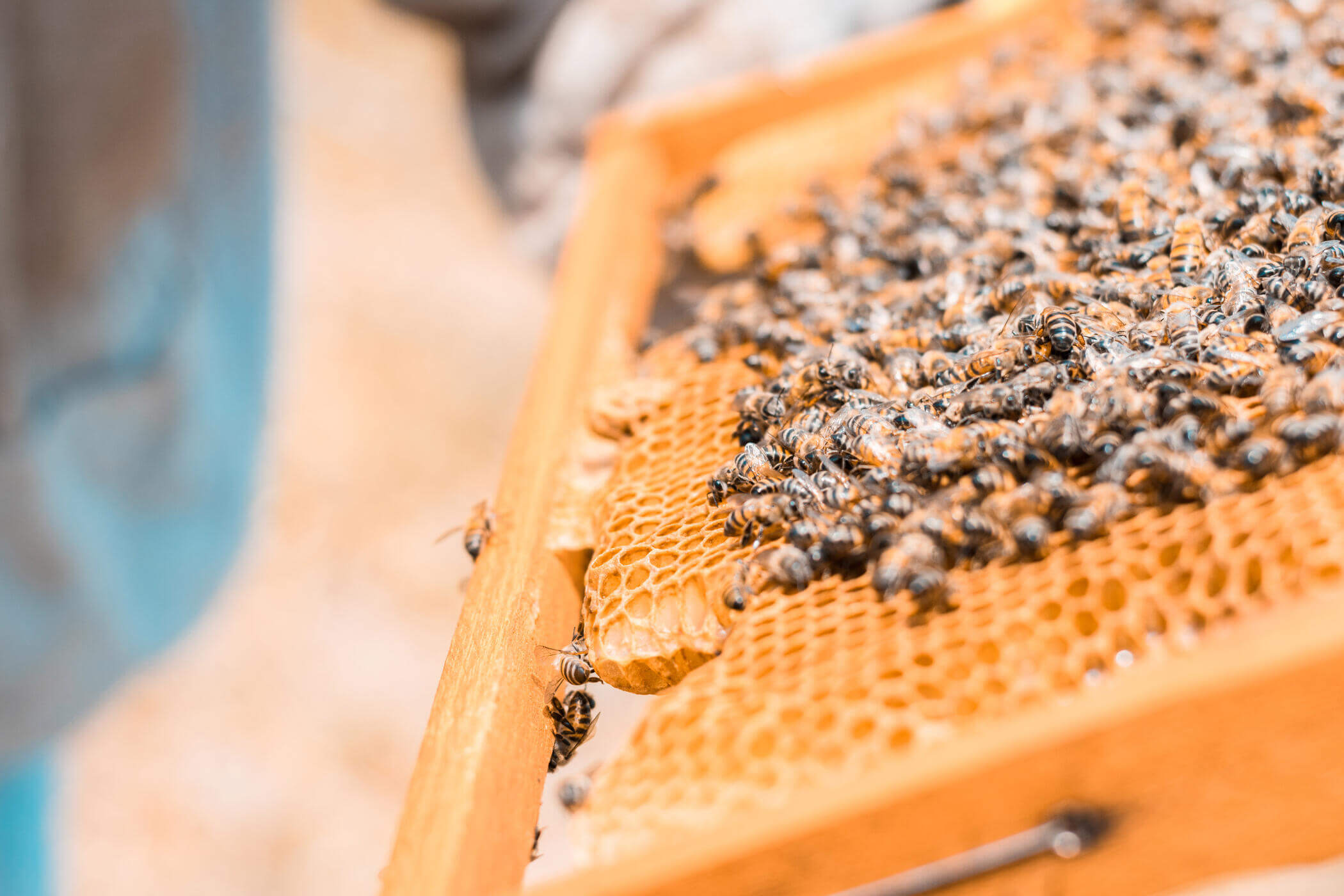
Bees are at the heart of Apinected.

For over ten years we’ve worked among Bolivian hives — learning from beekeepers, the forest, and every honey harvest through our range of retail products.

As founders of Melimel — a company later acquired — we chose to focus on green propolis: the resin bees gather from Baccharis dracunculifolia (known in Bolivia as “tola”) and transform into one of the world’s most prized bee products. We produce this treasure in alliance with beekeeping communities in the Bolivian valleys.

Our purpose To connect Bolivian green propolis with the world — through science, traceability and sustainable trade — so that every hive creates lasting value: for the beekeeping families who protect the forest, for the native forest that makes it possible, and for the industry that transforms it and adds value.
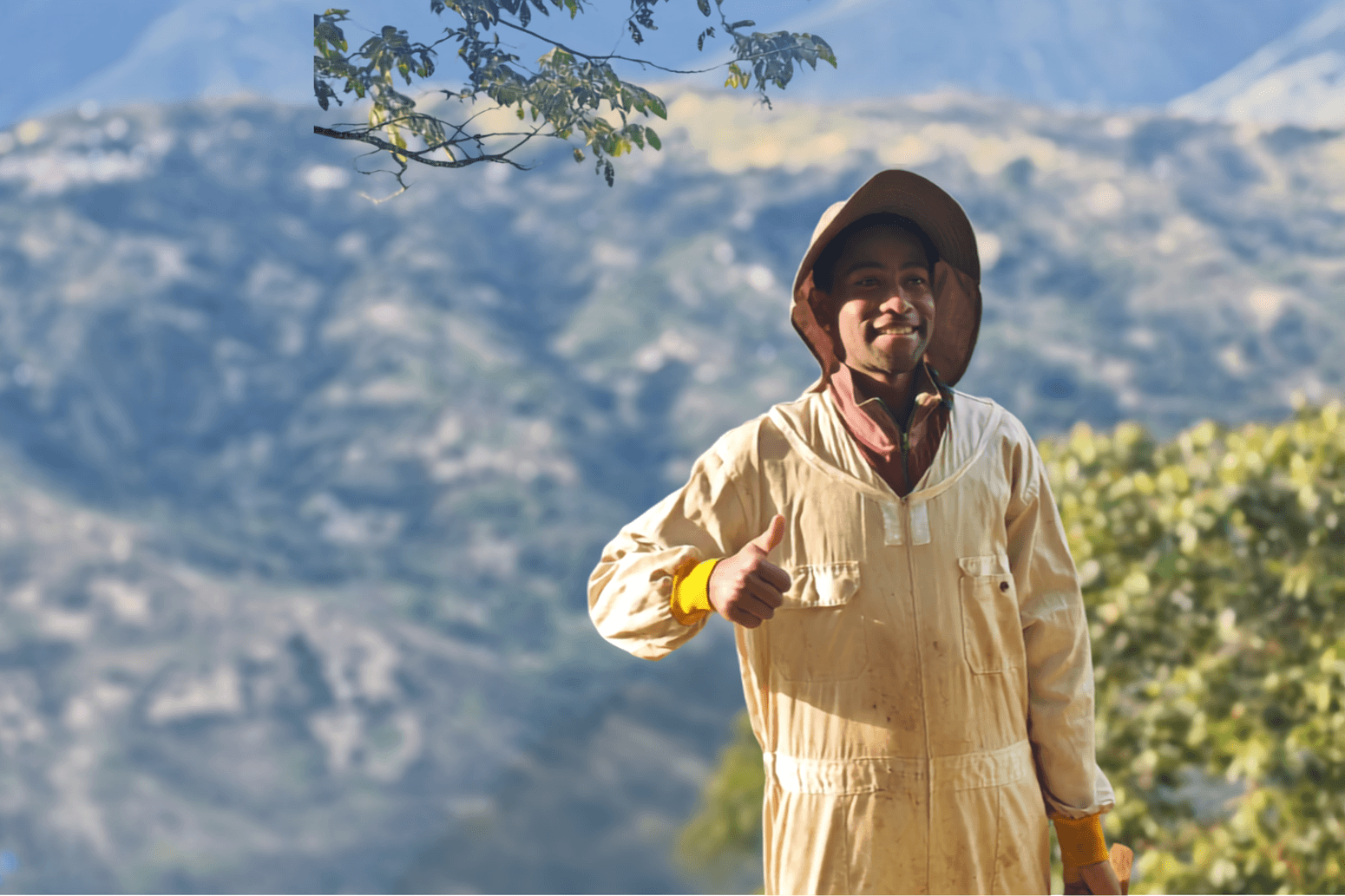
Bolivian green propolis producers working alongside Apinected IMG-S1-02Beside the purpose block
Science

Scientific partnership with research laboratories

Experience

More than 20 years of beekeeping experience

Traceability

Origin traceability and international compliance

Export

Bulk export to demanding markets worldwide

Apinected is a Bolivian beekeeping company that connects producer communities with international markets through sustainable production systems and high-value, scientifically validated bee products. We bring together production, field coordination, applied research and international trade, with one clear focus: green propolis for export.

We operate across Tarija, Cochabamba, La Paz and Santa Cruz, with direct, long-standing relationships with producer networks, local supervisors and proven logistics channels for sample handling, transport, food-industry compliance and international shipping.

Partnerships

A science-based venture, not just a sourcing network.

What sets Apinected apart is its strategic partnership with the Universidad Mayor de San Andrés (UMSA) and with laboratories abroad. This collaboration brings the analytical rigor, quality control and processing-technology development that make Apinected far more than a well-organized sourcing network — it is a science-based venture able to sustain long-term commercial relationships with demanding international partners.

Our joint work covers three fronts

  • 01Laboratory analysis — characterizing the chemical composition of Bolivian green propolis
  • 02Method development and validation
  • 03Benchmarking against international references — analyzing Bolivian samples against worldwide references to set objective quality parameters
Green propolis quality control in a partner laboratory IMG-S2-02Laboratory 1
UMSA green propolis research and method validation IMG-S2-03Laboratory 2

Triple impact

Every lot has to be worth more to everyone who touches it.

Economic impact: regenerative beekeeping with Bolivian communities IMG-S2-04Economic impact

Economic impact

We work toward regenerative beekeeping with local communities, aiming to capture more value from their work — moving from raw, undifferentiated propolis or honey to graded, traceable, export-ready green propolis that earns a better price for the people who produce it.

Social impact: technical supervision with Bolivian beekeeping associations IMG-S2-05Social impact

Social impact

We work hand in hand with Bolivian beekeeping associations and federations, with technical supervision in the field and knowledge transfer that strengthens producers’ capabilities.

Environmental impact: protecting Baccharis dracunculifolia populations IMG-S2-06Environmental impact

Environmental impact

We protect the resource that sustains us: the apiaries and the Baccharis dracunculifolia populations. We apply responsible harvesting and build long-term relationships so the chain stays alive over time. Our main focus is top-quality green propolis, free of pesticides.

Our team

Field beekeeping, science and international trade in one team.

We are a multidisciplinary team combining field beekeeping, science, international trade and product management. We are united by a genuine passion for bees and the conviction that Bolivia can position itself as a world-class origin for green propolis.

Pamela Requena, co-founder of Apinected IMG-S2-07Team photo 1
Chief Multitasking Officer · Co-founder

Pamela Requena

A driving force for Bolivian beekeeping with a global-trade vision. Co-founder of Melimel (the largest honey company in Bolivia, acquired by Terbol in 2024) and of ApiClub Bolivia, a knowledge-sharing community for beekeepers. With a background in international trade and business growth, she leads export-market relationships, strategy, planning and partnerships.

Juan Carlos Requena, co-founder of Apinected IMG-S2-07Team photo 2
Chief Bee-Logistics Officer · Co-founder

Juan Carlos Requena

An international strategy and management profile who holds the operation together end to end: work with local associations and communities, cost structure, finance and institutional development. He brings the business perspective needed to scale in an orderly, sustainable way.

Venko Simeonov, co-founder and master beekeeper at Apinected IMG-S2-07Team photo 3
Chief Beekeeper Officer · Co-founder

Venko Simeonov

A Bulgarian-born beekeeper with more than 20 years of experience across Bulgaria and Bolivia. Co-founder of Melimel (the largest honey company in Bolivia, acquired by Terbol in 2024) and of ApiClub Bolivia. A specialist in hive management, in selecting and grading green propolis and Baccharis leaves, and in scaling bee products from artisanal to industrial level. He is the technical heart of the fieldwork.

Decades of passion for the bees

A single drop carries the story of a forest.

Apinected builds this venture on more than twenty years of accumulated experience in beekeeping, product development and international collaboration. We believe bees can connect people and ecosystems, and that a single drop of propolis carries the story of a forest, a community and a way of life worth protecting.

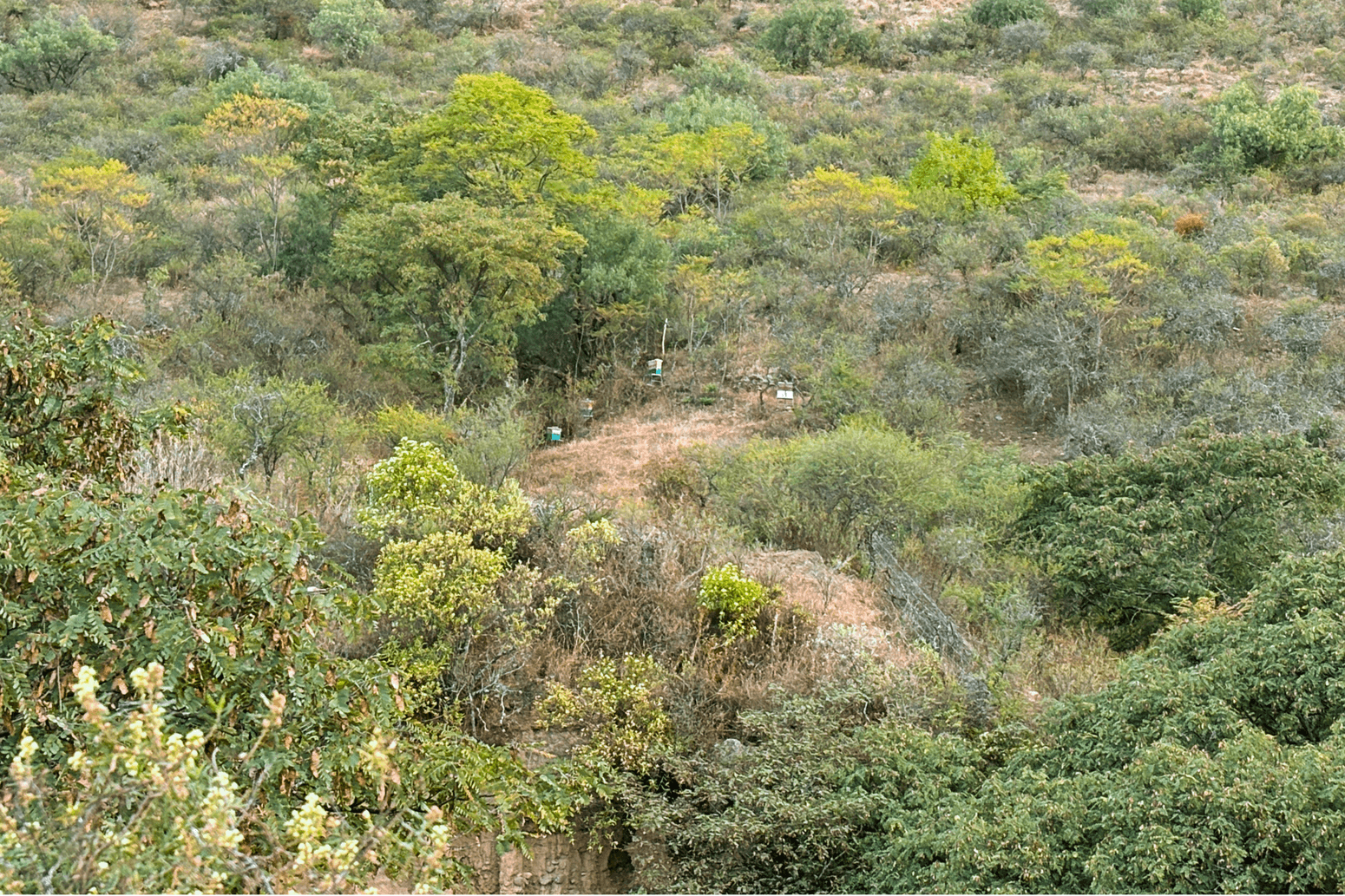
Sustainable beekeeping Bolivia, Apinected apiaries IMG-S2-08Closing image

What green propolis is

One of the most valued propolis types in the world.

Green propolis comes from the resin bees collect from Baccharis dracunculifolia — in Bolivia, “tola” — and stands out for its bioactive profile, with artepillin C as the benchmark marker used to verify potency and authenticity.

At Apinected we work — systematically and verifiably — to build a Bolivian green propolis of export quality.

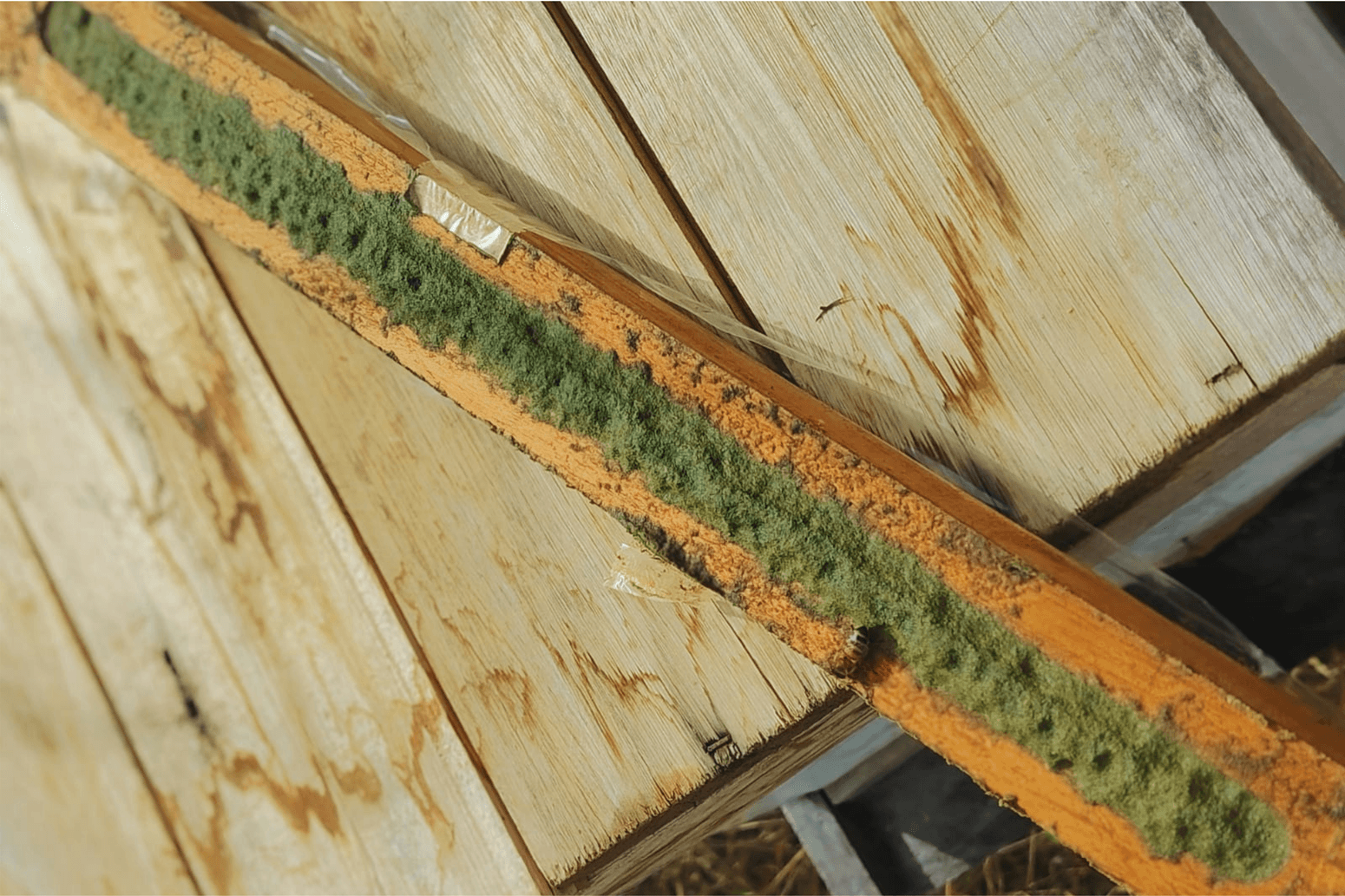
Bolivian green propolis, raw and graded IMG-S3-02What green propolis is
Baccharis dracunculifolia, tola, source of Bolivian green propolis IMG-S3-03Baccharis dracunculifolia

Baccharis dracunculifolia (tola)

It all starts with the plant.

Baccharis dracunculifolia grows natively in the valleys and highlands of Bolivia, where it is known as “tola”. Its resin determines the profile and quality of the green propolis, which is why responsible management of these populations is central to our environmental model.

Our value chain and suppliers

We stay on top of traceability every step of the way.

We handle the whole journey ourselves — growing the beekeeping community, sourcing and exporting — so we stay on top of traceability every step of the way. Our partners in Tarija, Cochabamba, La Paz and Santa Cruz are a huge part of that. Out in the field, we work side by side to hand-select and grade the propolis and Baccharis leaves, holding everything to strict export standards: resin content, color, aroma, moisture and purity.

Green propolis value chain and suppliers in Bolivia IMG-S3-04Value chain / suppliers
Green propolis quality control and processing IMG-S3-05Quality / processing

Quality and processing

Batch-to-batch consistency, and a real ability to scale.

Alongside our partners, we validate every step of the process. This ensures batch-to-batch consistency and a real ability to scale, while holding the quality level demanded by markets.

Formats for bulk / wholesale sale

We supply selected batches

Formats available on requestApinected · BO
CRUDESelected raw green propolis, graded by quality
EXTRACTHydroalcoholic green propolis extract
Every lot is selected with origin traceability and quality data sheet. Ask us about specifications.
Request quote
Green propolis bulk wholesale formats with traceability labels IMG-S3-06Bulk product photography

Get in touch

Let’s talk green propolis

Looking for a reliable supplier of Bolivian green propolis in bulk? Are you a beekeeper, or would you like to work with us? Write to us — we respond to importers, industry, laboratories, partners and institutional allies.

Apinected team, Bolivian green propolis exporter IMG-S4-02Contact block image

We answer bulk enquiries within two business days.

What is green propolis?
Green propolis is one of the most highly valued types of propolis in the world, produced in Bolivia by bees from the resin of Baccharis dracunculifolia. It is prized for its bioactive profile, with artepillin C as its benchmark marker.
Where does Bolivian green propolis come from?
Bolivian green propolis comes from Baccharis dracunculifolia — known locally as “tola” — which grows natively in the valleys and highlands of Bolivia. Apinected produces it alongside beekeeping communities in Tarija, Cochabamba and Samaipata.
Do you sell green propolis in bulk?
Yes. Apinected supplies green propolis in bulk to industrial and wholesale clients — as selected raw propolis, hydroalcoholic extract or standardized powder — each lot with origin traceability and a quality data sheet.
What is artepillin C?
Artepillin C is the reference bioactive marker of green propolis, used to verify its potency and authenticity. It is quantified internationally by high-performance liquid chromatography (HPLC).
How do you guarantee quality and traceability?
Every lot is graded in the field against strict export criteria and validated with UMSA and our foreign partners, then shipped with origin traceability, a quality data sheet and SENASAG compliance.